

Understanding the Critical Warning Signs for Homeowners in Lawrence, MA
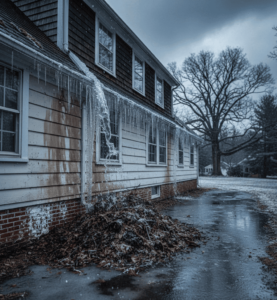
Living in the Merrimack Valley means dealing with a specific set of environmental challenges. From the heavy spring rains to the brutal winter cycles, your home is constantly under siege by the elements.
Water management is the most important defense mechanism your property has. When your roof drainage system fails, the consequences aren’t just cosmetic, they are structural.
In Lawrence, where many homes feature classic New England architecture, maintaining the integrity of your fascia boards and foundation is a full-time job. Identifying the early signs of failure can save you from catastrophic damage later in 2026.
We often overlook the metal channels hanging from our eaves, but they are the silent guardians of our living space. If you notice water where it shouldn’t be, it’s time to pay attention.
Why Gutter Overflow is More Than a Minor Nuisance
When you see water cascading over the edge of your gutters like a waterfall during a storm, your system is failing its primary mission. This overflow is a clear indicator of a bottleneck within the rainwater management loop.
Usually, this happens because of a buildup of organic debris like pine needles, oak leaves, or maple seeds. In Lawrence, the abundance of mature trees means your downspouts can clog in a single season.
If the water isn’t channeled away, it pools at the base of your home. This leads to soil erosion and puts immense hydrostatic pressure on your basement walls, potentially causing cracks and flooding.
Overflow also saturates the soffit and fascia, the wooden components that hold your gutters in place. Rotting wood cannot support the weight of a heavy gutter system, leading to dangerous sagging.
The Hidden Impact of Clogged Downspouts on Your Foundation
A clogged downspout is like a blocked artery. Even if your gutters are wide and clean, if the vertical exit is jammed, the entire system backs up instantly.
This creates a heavy, stagnant pool of water that can weigh hundreds of pounds. Standard gutter hangers are not designed to hold that much static weight for extended periods.
As the water spills over the back of the gutter, it runs down your siding. This is how moisture enters the wall cavities of your home, leading to hidden mold growth that is difficult to remediate.
Proper Gutter Guard Installation in Lawrence, MA ensures that these vertical exits remain clear, allowing water to flow freely away from your home’s most vulnerable points.
How Debris Accumulation Dictates Your Maintenance Schedule
Not all homes in Massachusetts require the same cleaning frequency. If your property is surrounded by deciduous trees, your risk for gutter obstructions increases exponentially every autumn.
The type of debris matters just as much as the volume. Large leaves are easy to spot, but “shingle grit” from aging asphalt roofs can create a heavy sludge that acts like wet cement.
This sludge settles in the bottom of the gutter trough, making it harder for water to gain the necessary velocity to reach the downspout. It also accelerates the corrosion of metal components.
By the time you reach the spring of 2026, any debris left over from the previous year will have decomposed into a nutrient-rich “compost” that allows weeds to grow directly in your gutters.
Analyzing Foundation Stains and Exterior Water Damage
If you walk around your house and see dark streaks on the siding or white, powdery stains on your brick foundation, you are looking at evidence of water infiltration.
These white stains, known as efflorescence, occur when water evaporates and leaves behind mineral salts. It is a “smoking gun” that proves your gutters are not moving water far enough away from the structure.
On the siding, these streaks are often called tiger striping. They are caused by the overflow of polluted water containing atmospheric soot and asphalt oils from your shingles.
Over time, this moisture causes the paint to peel and the wood to swell. In historic Lawrence neighborhoods, preserving original woodwork is essential for maintaining property value and aesthetic appeal.
The Relationship Between Soil Erosion and Poor Drainage
Have you noticed “trenches” in your mulch or flower beds directly under the roofline? This is caused by the kinetic energy of overflowing water hitting the ground with force.
This erosion strips away the protective topsoil and exposes the top of your foundation footings. Once the soil is gone, water has a direct path into your basement or crawlspace.
Poor drainage also affects your landscaping. Excessive moisture can drown the roots of expensive ornamental plants and create a breeding ground for mosquitoes and other pests.
Managing this requires a professional approach to water damage prevention, ensuring that every drop of rain is captured and diverted through an optimized discharge system.
Recognizing Internal Wall Leaks Caused by Exterior Failure
Sometimes the signs of gutter failure are found inside the house. If you see bubbling paint or water stains near the ceiling, your gutters might be the culprit.
When gutters are full, water can “wick” backward under the shingles and onto the roof deck. From there, gravity pulls it down into your insulation and drywall.
This type of leak is particularly deceptive because it may not appear during every rainstorm. It often requires a specific wind direction or a prolonged period of saturation.
Proactive monitoring and the use of high-quality gutter protection systems prevent this backward migration of water, keeping your interior living spaces dry and healthy.
Ice Dams: The Winter Nemesis of Massachusetts Homes
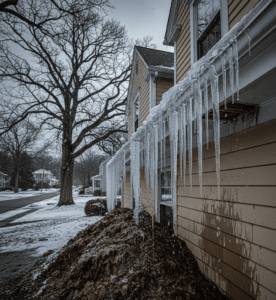
In New England, the transition from late 2025 into the winter of 2026 brings the dreaded threat of ice dams. These occur when heat escaping from your attic melts the snow on your roof.
The melted snow runs down to the colder eaves and freezes, creating a literal dam of ice. This ridge prevents subsequent meltwater from draining, forcing it under your shingles.
Gutters do not cause ice dams, but clogged gutters make them much worse. A gutter full of frozen debris provides a solid foundation for the ice dam to grow larger and heavier.
The weight of a frozen gutter can be massive, sometimes causing the entire system to rip away from the house, damaging the roofline and creating a major safety hazard.
The Physics of Thermal Loss and Ice Accumulation
Ice dams are a symptom of a larger problem involving attic ventilation and insulation. However, your gutters are the first point of contact for the resulting ice buildup.
If your gutters are clean, the meltwater has a better chance of escaping through the downspouts before it freezes solid. If they are blocked, the water has nowhere to go but up.
Once the ice reaches the drip edge, it begins to penetrate the building envelope. This leads to ruined ceilings, wet insulation, and structural rot that can stay hidden for months.
Managing your roof drainage in the winter requires a combination of clear channels and, in some cases, specialized heating cables to maintain a path for the water.
Protecting Your Fascia from Ice-Related Stress
The fascia board is the vertical finishing edge of your roof where the gutters are attached. During a Lawrence winter, this board bears the brunt of the ice’s weight.
If water freezes inside the gutter, it expands. This expansion can pull the nails or screws out of the fascia, creating gaps where more water can enter and rot the wood.
A rotted fascia is like a weak link in a chain. Once it loses its structural integrity, it can no longer support the weight of the gutter system, regardless of how new the gutters are.
Regular inspections and ensuring your system is prepared for the freezing cycles of 2026 are vital steps in long-term home maintenance.
Technical Comparison: Gutter Issues and Solutions
To help you understand the scope of these problems, we have compiled a comparison of common symptoms and the professional remedies available.
| Symptom | Primary Cause | Long-Term Risk | Professional Solution |
| Water Overflow | Debris blockage/Under-sized gutters | Foundation damage & Mold | Cleaning or 6-inch K-style upgrade |
| Siding Stains | Clogged system/Pitch issues | Paint failure & Wood rot | Realignment and regular maintenance |
| Ice Dams | Poor insulation + Blocked gutters | Roof leaks & Fascia rot | Gutter protection & Attic venting |
| Basement Leaks | Improper downspout discharge | Structural instability | Downspout extensions/Underground drains |
| Nesting Pests | Stagnant water & Debris | Health hazards & Damage | Micro-mesh gutter guards |
The Importance of Professional Gutter Guard Installation
Many homeowners consider DIY solutions for their gutters, but the precision required for a permanent fix is often underestimated. A professional installation considers the specific pitch of the roof.
In Lawrence, MA, we deal with various architectural styles, each requiring a tailored approach. A “one size fits all” screen from a big-box store often fails during the first heavy New England snow.
Professional-grade gutter guards are designed to handle high-velocity water while shedding even the smallest debris like pine needles or maple helicopters.
Investing in a high-quality system means you can stop climbing ladders every spring and fall, reducing the risk of falls and ensuring your home is protected 365 days a year.
Why Micro-Mesh Technology is the Gold Standard
Not all gutter guards are created equal. Older “helmet” styles rely on surface tension, but they often fail in heavy downpours, causing the water to overshoot the gutter entirely.
Micro-mesh technology uses a fine stainless steel screen that allows 100% of the water through while keeping 100% of the debris out. It is the most efficient design for the climate in the Northeast.
This mesh is strong enough to withstand the weight of heavy ice and snow, and it won’t warp or crack over time. It provides a permanent solution to the cycle of clogging and cleaning.
By choosing a professional Gutter Guard Installation in Lawrence MA, you are choosing a system that has been tested against the specific weather patterns of our region.
Strategic Benefits of Early 2026 System Upgrades
Upgrading your system early in the year allows you to beat the spring rush. As the ground thaws and the heavy rains begin, you’ll have peace of mind knowing your foundation is safe.
Early maintenance also allows for the identification of any damage caused by the previous winter. Small cracks or loose hangers are much easier and cheaper to fix before they lead to a total system failure.
A modernized drainage system also adds immediate curb appeal and resale value to your home. Potential buyers in 2026 will look for well-maintained exterior systems as a sign of overall home health.
Don’t wait for a major leak to take action. Proactive care is always the most cost-effective strategy for Massachusetts property owners.
Frequently Asked Questions About Gutter Health
How often should I have my gutters inspected in Lawrence?
We recommend at least twice a year, specifically in late spring and late fall. However, if you have many trees, quarterly checks may be necessary to ensure the downspout outlets are clear.
Can gutters really cause my basement to leak?
Absolutely. If water isn’t moved at least 6 to 10 feet away from your foundation, it will eventually find its way through the concrete via hydrostatic pressure.
Are gutter guards worth the investment?
Yes, especially for homes in high-debris areas. They pay for themselves by eliminating the cost of professional cleanings and preventing expensive water damage to your roof and foundation.
What is the best gutter material for New England weather?
Seamless aluminum is the most popular choice because it doesn’t rust and has no joints to leak. For historic homes, copper is a beautiful and incredibly durable option that lasts for decades.
Take Action to Protect Your Investment
Your home is likely your most significant financial asset. Protecting it from the destructive power of water is not just a maintenance task, it’s an investment in your future.
At Skyfall Gutters, we specialize in identifying the subtle signs of failure before they become emergencies. Whether you need gutter cleaning or a full system replacement, we are here to help.
Don’t let the rains of 2026 catch you off guard. Ensure your home is equipped with the best rainwater management technology available in the Merrimack Valley.
Our team is ready to provide a comprehensive evaluation of your current system and recommend the most effective solutions for your specific needs and budget.
Ready to Secure Your Home?
If you have noticed overflow, stains, or ice dams, the time to act is now. Contact the local experts who understand the unique challenges of Lawrence, MA, and the surrounding areas.
We offer professional consultations to help you decide on the best path forward for your property. Let us take the danger of ladder work off your hands and give you the protection you deserve.
Contact us today to schedule your expert consultation and secure your home’s future.
Call now: (978) 827-8168
Visit our contact page to send us a message and learn more about our comprehensive services. We look forward to serving you!


