

Understanding the Strategic Importance of Gutter Installation Timing

When it comes to home maintenance in New England, procrastination is often the precursor to costly water damage. Many homeowners treat their rainwater management system as an afterthought, yet the timing of your gutter installation can be just as critical as the quality of the materials used. Whether you are dealing with a historic home in Boston or a modern residence in Lowell, the local climate dictates a very specific window of opportunity for exterior construction.
The health of your property depends on how effectively you divert water away from your foundation. A poorly timed installation, or waiting until a crisis occurs during a late-winter thaw, can leave your fascia boards and landscape vulnerable. In this guide, we will explore the seasonal nuances of the gutter industry to help you make an informed decision for your home in 2026.
Planning ahead allows you to secure the best crew, ensure the materials are handled in optimal temperatures, and protect your investment before the next cycle of heavy precipitation begins. Let’s dive into why the calendar should be your primary tool when scheduling your next seamless gutter upgrade.
The Seasonal Breakdown: When Is the Best Time to Install Gutters?
Spring: The Season of Urgent Realization
Spring is arguably the most popular time for homeowners to seek out gutter services. As the snow melts and the famous April showers arrive, existing drainage failures become impossible to ignore. You might notice overflowing gutters, sagging troughs, or water pooling near your basement walls, all of which signal that your current system has reached the end of its lifespan.
Installing gutters in the spring is highly effective because the ground is soft enough for minor landscaping adjustments, and the temperatures are mild.
This moderate weather is ideal for sealants and caulking to cure properly, ensuring a watertight bond at the end caps and miters. However, because everyone notices their leaks at the same time, spring often brings longer wait times for reputable contractors.
If you choose a spring installation, you are essentially “winter-proofing” your home for the next year while handling immediate drainage threats. It is a proactive way to ensure your fascia and soffit are protected from the rot that often follows a long, damp season.
Summer: Ideal Conditions with a Scheduling Catch
Summer offers the most stable weather for exterior home improvement projects. The days are long, and the lack of ice or heavy rain allows crews to work efficiently and safely. For seamless gutter installation, summer heat can actually be beneficial as the metal is more pliable and less prone to becoming brittle during the cutting and dropping process.
The primary challenge of a summer installation is the high demand. Most established roofing and gutter companies are booked weeks or even months in advance during June and July. If you plan to upgrade in 2026, reaching out in late spring to secure a mid-summer slot is the smartest move you can make for your project timeline.
Additionally, summer is the best time to consider adding gutter guards or leaf protection systems. Since the trees are in full bloom, technicians can easily identify which areas of your roof are most susceptible to organic debris, allowing for a more customized protection plan.
Fall: The Strategic Pre-Winter Window
Many experts consider early to mid-fall as the absolute best time of year to install gutters. The logic is simple: you want a clean, high-capacity system in place before the leaves begin to drop and the first freeze occurs. Fall in Massachusetts and New Hampshire is a critical period where downspout efficiency is tested by both foliage and increasing rainfall.
A fall installation ensures that your home is equipped to handle the weight of snow and the threat of ice dams. New gutters installed in October or November will have fresh, strong hangers and brackets that haven’t been weakened by years of thermal expansion and contraction. This structural integrity is vital when the mercury drops and water begins to freeze inside the troughs.
Working in the fall also allows the installers to clear away any existing debris from the roofline before the new system is mounted. This “clean slate” approach prevents old organic matter from rotting against your new gutters, extending the life of the aluminum or copper materials significantly.
Winter: The Challenges of Cold Weather Installation
While it is technically possible to install gutters in the winter, it is rarely the first choice for professionals or homeowners. Sub-freezing temperatures make sealants take much longer to dry, and the risk of the metal cracking or bending incorrectly increases. Furthermore, safety becomes a major concern when ladders are placed on icy or snow-covered ground.
However, if your gutters have collapsed under the weight of an ice storm, an emergency winter installation may be necessary. In these cases, specialized heating tools are often used to ensure the waterproofing agents bond correctly.
For most residents in the Northeast, winter is the time for observation rather than installation, as you monitor how your system handles the harsh elements.
Technical Considerations for Gutter Replacement Timing
Temperature and Material Performance
The physics of thermal expansion plays a massive role in how gutters are installed. Aluminum, the most common material for residential systems, expands and contracts based on the ambient temperature. If a system is installed in extreme cold without proper spacing, it may buckle when the summer heat arrives.
| Season | Avg Temperature (NE) | Material Impact | Installation Recommendation |
| Spring | 45°F – 65°F | Ideal for sealant curing | Highly Recommended |
| Summer | 70°F – 85°F | Maximum metal expansion | Excellent (if booked early) |
| Fall | 40°F – 60°F | Optimal structural stability | The “Gold Standard” |
| Winter | 10°F – 35°F | Brittle metal and slow seals | Emergency Only |
Impact on Home Foundation and Landscaping
The timing of your project also affects your property’s curb appeal and structural health. If you wait until the rainy season to replace a failing system, the constant “waterfall” effect from a broken gutter can erode your topsoil and damage expensive perennials. By installing during a dry spell in late summer or early fall, you preserve the integrity of your drainage landscape.
Furthermore, professional installers need a stable perimeter around the house to set up their “gutter machine” (the equipment that extrudes seamless gutters on-site).
Wet, muddy spring soil can lead to ruts in your lawn, whereas the firmer ground of late summer or fall provides a much cleaner workspace for the crew.
Why Timing Matters for Your Foundation and Roof Health
Preventing Siding Stains and Fascia Rot
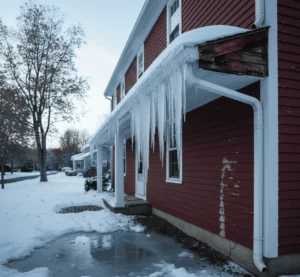
Rainwater is the primary enemy of your home’s exterior. When gutters fail, water backflows into the soffit and fascia, leading to costly wood rot. If you time your installation before the wet season, you are essentially sealing the “envelope” of your home.
New gutters installed in 2026 feature advanced k-style or half-round profiles designed to handle higher volumes of water than older models. By upgrading during the “off-peak” fall season, you ensure these systems are perfectly pitched to prevent any standing water, which is the leading cause of mosquito breeding and premature rust in sectional systems.
Enhancing Roof Longevity with Proper Drainage
Your roof and gutters work as a single hydraulic system. If the gutters are clogged or poorly positioned, water can wick up into the roof shingles, causing them to delaminate. This is particularly dangerous during the transition from fall to winter, when the freeze-thaw cycle can turn a small leak into a major structural issue.
Scheduling your installation in the fall allows a professional to inspect the drip edge of your roof. This metal flashing is vital for directing water into the gutter trough rather than behind it. Most homeowners overlook this component, but a well-timed professional installation includes a full assessment of how the roof and gutter interact, ensuring long-term performance.
Avoiding the “Emergency Premium”
From a logistical perspective, timing matters because of market demand. Homeowners who wait until their gutters are falling off usually pay more for emergency work and have fewer choices regarding color and style. By planning your installation for 2026 during the late summer or early fall, you can take advantage of standard pricing and a wider range of aesthetic options to match your home’s trim.
Conclusion: Making the Move for Your 2026 Gutter Project
While you can technically install a drainage system at various points throughout the year, the Best time of year to install gutters remains the window between late summer and mid-fall. This period offers the perfect balance of manageable weather, optimal material performance, and the opportunity to protect your home before the harsh New England winter strikes.
Don’t wait for the first major storm of 2026 to realize your home’s defenses are down. By understanding the seasonal cycles of home maintenance, you can ensure your property remains dry, safe, and structurally sound for decades to come. Whether you need a simple replacement or a full seamless gutter system with advanced guards, timing your project correctly is the first step toward a successful home improvement experience.
Main Service Areas for Skyfall Gutters (Gutter Services):
Ready to protect your home with the best gutter system in the region? Visit our website or call (978) 827-8168 for a professional consultation to ensure your home is ready for whatever the 2026 season brings


