

Preparing Your Merrimack Valley Home for the Harsh Winter of 2026
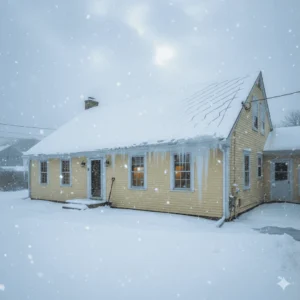
As the final months of 2025 transition into the freezing temperatures of early 2026, homeowners in Lawrence, MA, must prioritize their roof drainage systems. The climate in the Northeast is notoriously unforgiving, especially regarding the structural health of residential properties.
When snow accumulates on your roof, it doesn’t just sit there, it interacts with the heat escaping from your attic and the cold air at your eaves. This cycle creates a unique set of challenges for your gutter system.
Without proper preparation, the weight of frozen precipitation can cause catastrophic failures. A single foot of snow on a standard roof can translate into thousands of pounds of pressure on your gutter hangers and fascia boards.
Understanding how to winterize your home is the difference between a dry, safe interior and a spring filled with expensive water damage. Let’s explore the essential strategies for keeping your gutters functional during the peak of winter.
The Dangerous Relationship Between Heavy Snowfall and Gutter Integrity
Snowfall in Massachusetts is often heavy and wet, placing immense strain on any exterior drainage component. If your gutters are already sagging or have loose brackets, the first major storm of 2026 could be their last.
When gutters become packed with snow, they lose their ability to channel water. As the sun comes out or attic heat melts the bottom layer of snow, that water has nowhere to go if the trough is blocked by slush.
This leads to a “freeze-thaw” cycle that is incredibly destructive. Water enters small cracks in your seamless gutters or downspouts, expands as it turns to ice, and tears the metal or sealant apart.
Maintaining a clear path for meltwater is not just about convenience, it is about water damage prevention. Ensuring your system can handle the “live load” of a New England blizzard is a fundamental part of homeownership here.
How Weight Distribution Impacts Your Fascia and Soffit
Most homeowners don’t realize that a gutter filled with ice can weigh ten times more than one filled with water. This weight isn’t just pulling on the gutter, it’s pulling on the woodwork of your home.
The fascia board acts as the anchor point for your entire drainage system. If this wood becomes damp due to snow backup, it softens, allowing the gutter spikes or screws to pull out under the weight of winter ice.
If the gutter pulls away even slightly, a gap is created. Meltwater will then run behind the gutter, rotting the soffit and potentially entering your wall cavities, leading to hidden mold growth.
Professional inspections before the deep freeze of 2026 ensure that every bracket is secure and that your fascia is healthy enough to support the inevitable winter load.
The Role of Downspouts in Sub-Zero Temperatures
A downspout is the most common point of failure in a winterized system. If the bottom of the downspout is buried in snow or frozen leaves, the entire vertical column will fill with water and freeze solid.
Once a downspout is frozen, it becomes a heavy “ice pillar.” This can cause the elbow joints to burst, requiring a full replacement once the thaw arrives in the spring of 2026.
Ensuring that your downspout extensions are clear of snow banks is vital. Water must be able to exit the system and move far away from the foundation footings to prevent basement flooding.
For properties in Lawrence with underground drainage, it is even more critical to ensure the entry points are not obstructed by frozen debris before the first frost hits.
Why Gutter Guard Installation in Lawrence, MA is a Winter Necessity
Many people associate gutter guards with autumn leaves, but their most significant benefit often occurs during the winter. A high-quality system prevents snow from packing into the gutter trough.
By installing a professional micro-mesh system, you create a flat surface that allows snow to slide off or melt evenly, rather than filling the “bucket” of the gutter.
This is why Gutter Guard Installation in Lawrence, MA is considered one of the smartest investments for 2026. It eliminates the organic “sludge” that acts as a freezing agent.
When your gutters are empty of debris, meltwater can flow freely to the downspouts even in freezing temperatures, significantly reducing the risk of the system becoming a solid block of ice.
Comparing Debris-Filled Gutters vs. Protected Systems in Winter
| Feature | Clogged/Open Gutters | Protected with Micro-Mesh |
| Ice Accumulation | High (water traps in debris) | Low (water flows underneath) |
| Weight Stress | Extreme (heavy ice blocks) | Minimal (snow sheds easily) |
| Meltwater Flow | Obstructed (leads to overflow) | Consistent (clear path to downspouts) |
| Risk of Sagging | High during snowstorms | Low due to reduced weight |
| Spring Maintenance | Requires deep cleaning | Ready for spring rains |
Managing Pine Needles and Fine Debris Before the Freeze
In the Merrimack Valley, we have an abundance of evergreen trees. Pine needles are notorious for weaving together inside a gutter, creating a “mat” that traps water perfectly.
If this mat is present when temperatures drop, it creates a reinforced ice block that is almost impossible to melt until April. This is a leading cause of winter gutter failure in our region.
A stainless steel micro-mesh is the only effective defense against these fine particles. It ensures that only water enters the system, keeping the internal waterway clear for the entire season.
Clearing these fine obstructions before the 2026 winter season begins is essential for maintaining top-tier drainage performance.
Understanding Ice Dams and Their Impact on Your Roofline
An ice dam is perhaps the most feared winter phenomenon for Massachusetts residents. It occurs when your roof shingles are warmer than the eaves, melting the snow and then refreezing it at the edge.
While gutters do not create ice dams, a clogged gutter acts as a “starter kit” for them. If the gutter is full of frozen debris, the ice has a platform to build upon and move up the roof.
Once the ice moves past the drip edge, it can lift shingles and allow water to leak directly into your attic. This leads to ruined insulation and water-stained ceilings.
Managing your attic insulation and ensuring your gutters are clear of obstructions are the two pillars of ice dam prevention for the upcoming 2026 season.
The “Wicking” Effect and Interior Water Damage
When an ice dam forms, it creates a reservoir of liquid water behind it. Because the water cannot drain off the roof, it seeks the path of least resistance.
Capillary action, or “wicking,” can pull this water upward under the shingles. This is why you might see a leak in the middle of a bedroom ceiling during a cold Lawrence winter.
This moisture also creates a perfect environment for mold and mildew within your roof structure. Often, this damage goes unnoticed until it becomes a health hazard for the family.
A clear, protected gutter system ensures that as soon as that ice begins to melt, there is a clear exit strategy for the water, minimizing the time it sits on your roof deck.
Using Heat Cables: When and Why They Are Necessary
In some historic Lawrence properties where attic ventilation is difficult to correct, heat cables (or zig-zag wires) can be a helpful secondary defense.
These cables create “channels” through the snow and ice, allowing meltwater to reach the gutter. However, they are only effective if the gutter and downspouts themselves are clear.
If you install heat cables into a gutter full of dry leaves, you create a fire hazard. This is another reason why having a clean, protected system is the foundation of all winter safety.
Combining advanced gutter guards with strategic heating elements provides the ultimate level of protection for homes that are prone to heavy icing.
Maintenance Checklist: Preparing for the 2026 Freeze
To ensure your home is ready for the transition into 2026, we recommend following this technical maintenance sequence during the late fall.
Flush the System: Use a high-pressure hose to ensure there is no hidden silt or shingle grit in the gutters or downspouts.
Inspect the Hangers: Tighten any loose screws. In Lawrence, we use heavy-duty internal hangers to withstand the weight of New England snow.
Check the Pitch: Ensure the gutters are still sloped correctly toward the downspouts. Settling over the summer can create “dead spots” where water pools.
Verify Downspout Discharge: Ensure that water is exiting at least 6 feet away from the home and that the exit point won’t be blocked by predicted snow drifts.
Seal the End Caps: Check for small drips at the ends of the gutter runs. A small leak in autumn becomes a dangerous “ice spear” in January.
Why Professional Inspections Outperform DIY Efforts
Climbing a ladder in the cold, damp weather of late 2025 is dangerous. Professional gutter technicians have the safety equipment and the trained eye to spot issues you might miss.
We look for “stress fractures” in the metal and signs of galvanic corrosion that can occur when different metals interact. These are the weak points that winter will exploit.
A professional assessment also includes checking your shingle overhang. If the shingles don’t extend far enough, water can run behind the gutter even if it’s perfectly clean.
By investing in a professional tune-up, you ensure that your rainwater management system is operating at peak efficiency before the first snowflake falls in Lawrence.
Long-Term Benefits of Winter-Ready Gutters
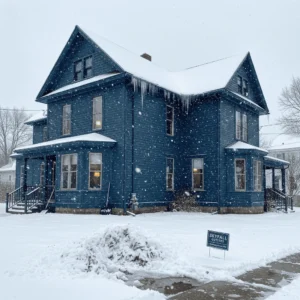
Preparing your gutters for winter isn’t just about preventing leaks today, it’s about preserving your home’s value for the next decade. Water is the single most destructive force a house faces.
A home with a history of ice damming and foundation issues will have a much lower resale value in the 2026 real estate market. Buyers look for signs of proactive maintenance.
Furthermore, a well-protected system reduces your annual maintenance costs. Instead of paying for emergency work during a blizzard, you can enjoy a worry-free winter.
Skyfall Gutters is committed to helping Lawrence residents achieve this peace of mind through expert service and high-performance products.
Take the Stress Out of Winter 2026
You don’t have to face the New England winter alone. Our team understands the specific needs of properties in the Merrimack Valley, from historic multi-family homes to modern builds.
Whether you need a full installation of micro-mesh guards or a pre-winter safety inspection, we are your local authority on all things gutters.
Don’t wait until you see three-foot icicles hanging from your roof. Take action now to ensure your home remains the warm, dry sanctuary it’s meant to be.
Contact Skyfall Gutters today to schedule your winter readiness evaluation.
Call our team directly at: (978) 827-8168
For more information on our specific services or to book an appointment online, please visit our contact page. We are ready to help you protect your investment from the ice and snow of 2026.


